
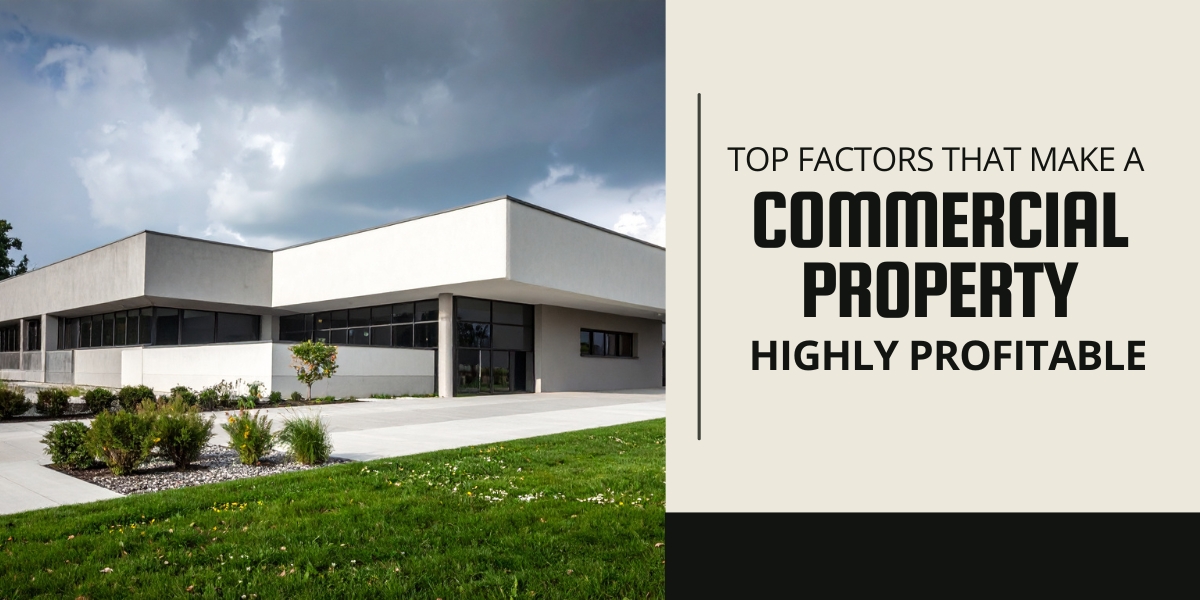
Investing in commercial real estate can be a powerful way to build long-term wealth—but not all properties deliver the same returns. The profitability of a commercial property depends on a combination of location, tenant quality, financial performance, and market dynamics. Understanding these key factors can help investors make smarter decisions and maximize their returns.
1. Prime Location
Location is one of the most critical determinants of a property’s success. Commercial properties in high-demand areas—such as business districts, urban centers, or rapidly developing neighborhoods—tend to attract more tenants and command higher rental rates.
What to Look For:
-
High foot traffic (for retail spaces)
-
Accessibility and transportation links
-
Proximity to key amenities and business hubs
-
Strong local economic growth
2. Tenant Quality and Stability
Reliable tenants are the backbone of a profitable commercial property. Long-term leases with financially stable businesses ensure consistent income and reduce vacancy risks.
Key Considerations:
-
Creditworthiness of tenants
-
Lease duration and renewal options
-
Industry stability (e.g., essential services vs. volatile sectors)
-
Tenant mix in multi-unit properties
3. Strong Rental Yield
Rental yield measures the income generated relative to the property’s value. A higher yield indicates better cash flow and profitability.
How to Maximize Yield:
-
Set competitive yet profitable rental rates
-
Minimize vacancies
-
Optimize space utilization
-
Regularly review and adjust lease terms
4. Low Vacancy Rates
Vacancies can quickly eat into profits. A property with consistently high occupancy rates provides steady income and reduces marketing and maintenance costs associated with finding new tenants.
Tips to Reduce Vacancy:
-
Maintain the property well
-
Offer flexible lease terms
-
Build strong tenant relationships
-
Stay competitive with market pricing
5. Property Condition and Maintenance
A well-maintained property attracts better tenants and justifies higher rents. Neglected properties, on the other hand, can lead to higher repair costs and tenant turnover.
Important Aspects:
-
Regular inspections and upkeep
-
Modern facilities and infrastructure
-
Compliance with safety and building standards
-
Energy-efficient upgrades to reduce operating costs
Another Blog to Read: Why Commercial Real Estate Remains a Strong Investment in 2026
6. Market Demand and Trends
Understanding the local market is essential. Demand for certain types of commercial properties—such as office spaces, retail shops, or warehouses—can fluctuate based on economic trends and consumer behavior.
Stay Informed About:
-
Local business growth
-
Supply and demand balance
-
Emerging industries
-
Shifts toward remote work or e-commerce
7. Effective Property Management
Good management can significantly impact profitability. Professional property managers help ensure smooth operations, tenant satisfaction, and timely maintenance.
Benefits of Strong Management:
-
Efficient rent collection
-
Reduced tenant turnover
-
Better handling of legal and compliance issues
-
Improved overall property value
8. Financing and Cost Control
The way a property is financed can greatly affect returns. Lower interest rates and well-structured loans improve cash flow, while high debt costs can reduce profitability.
Financial Tips:
-
Secure favorable loan terms
-
Monitor operating expenses
-
Plan for unexpected costs
-
Maintain a healthy cash reserve
9. Value-Add Opportunities
Properties with potential for improvement can generate higher returns. Renovations, repositioning, or better management strategies can significantly increase rental income and property value.
Examples:
-
Upgrading interiors or facilities
-
Rebranding or repositioning the property
-
Adding new services or amenities
-
Converting spaces for higher-demand uses
10. Exit Strategy and Appreciation Potential
Profitability isn’t just about rental income—it’s also about the property’s future value. A strong exit strategy ensures you can maximize returns when it’s time to sell.
Consider:
-
Market appreciation trends
-
Timing of sale
-
Potential for redevelopment
-
Investor demand in the future
Final Thoughts
A highly profitable commercial property is the result of smart planning, careful analysis, and ongoing management. By focusing on key factors like location, tenant quality, market trends, and financial strategy, investors can significantly improve their chances of success.
In commercial real estate, profitability doesn’t happen by chance—it’s built through informed decisions and strategic execution.
Contact Richi Khanna today @647-997-1281 to learn how he can help you lease your warehouse quickly, profitably, and with complete peace of mind