
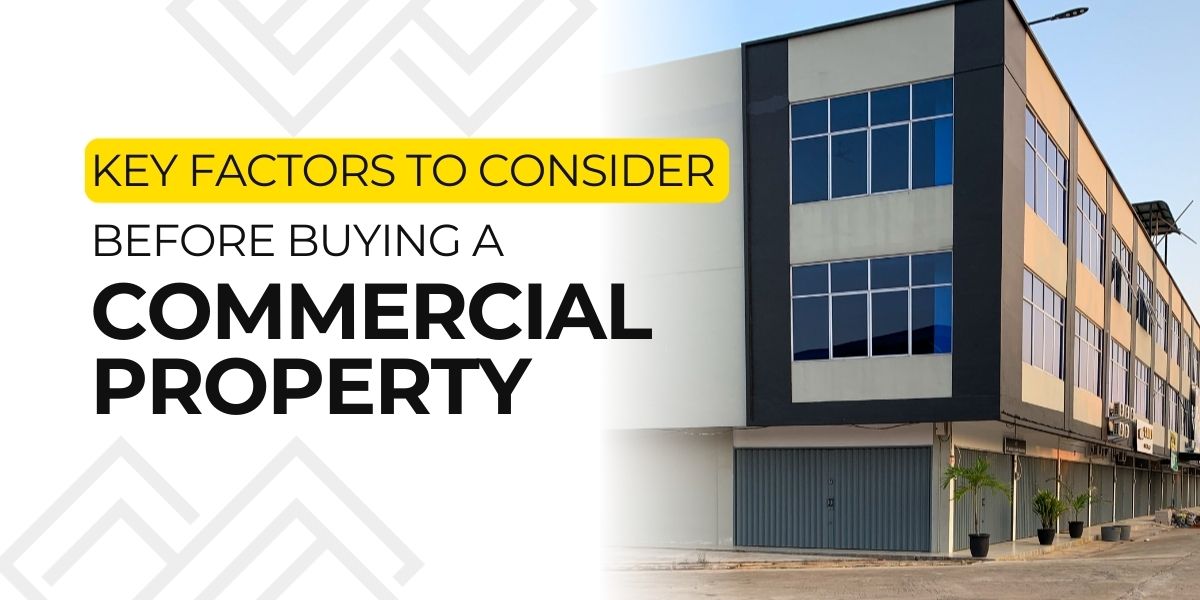
Buying a commercial property is a significant investment that can generate long-term income and business growth. Unlike residential real estate, commercial properties involve more complex financial, legal, and operational considerations.
Understanding the key factors before purchasing can help minimize risk and maximize returns.
-
Location and Accessibility
Location is one of the most critical factors in commercial real estate. Consider proximity to major highways, public transit, suppliers, customers, and workforce availability. Properties in high-demand areas with strong infrastructure and visibility often hold value better and attract quality tenants.
For industrial and warehouse properties, access to transportation routes, loading docks, and distribution hubs is especially important.
-
Property Type and Intended Use
Commercial properties vary widely, including office, retail, industrial, warehouse, and mixed-use assets. Before buying, clearly define the intended use of the property and confirm it aligns with zoning regulations and local bylaws.
Understanding how the property will be used—owner-occupied or leased—will influence layout requirements, renovations, and long-term value.
-
Zoning, Permits, and Regulations
Zoning laws determine how a property can legally be used. Always verify zoning classifications, permitted uses, and any future zoning changes that may affect operations or resale value.
Additionally, check for environmental regulations, building code compliance, fire safety standards, and accessibility requirements to avoid unexpected costs or delays.
-
Financial Performance and Cash Flow
Analyze the property’s financials carefully. Review current rental income, operating expenses, vacancy rates, and net operating income (NOI). For leased properties, examine lease terms, rent escalations, and tenant responsibilities.
Ensure the expected cash flow aligns with your investment goals, especially when accounting for financing costs, maintenance, and potential capital expenditures.
Also Read: Commercial Real Estate Market Outlook
-
Market Conditions and Demand
Understanding local market trends is essential. Research vacancy rates, rental growth, absorption levels, and future supply in the area. Strong demand and limited new development typically support stable values and rental growth.
Market conditions can vary significantly by property type, so focus on sector-specific trends that affect your investment.
-
Condition of the Property
Conduct thorough inspections to assess the condition of the building, roof, HVAC systems, electrical, plumbing, and structural components. Older properties may offer lower purchase prices but can come with higher maintenance and repair costs.
Budget for immediate repairs as well as long-term capital improvements to protect your investment.
-
Financing and Interest Rates
Commercial financing terms differ from residential loans. Consider loan-to-value ratios, interest rates, amortization periods, and prepayment penalties. Changes in interest rates can significantly impact your returns and purchasing power.
Working with experienced lenders and advisors can help structure financing that fits your investment strategy.
-
Exit Strategy and Future Value
Before purchasing, have a clear exit strategy. Whether you plan to hold long-term, refinance, or sell, consider how the property’s location, income potential, and market trends will affect its future value.
A strong exit plan ensures flexibility and protects your investment over time.
Final Thoughts
Buying a commercial property requires careful planning, detailed analysis, and a clear understanding of both market conditions and financial performance. By evaluating these key factors upfront, investors and business owners can make confident decisions and position themselves for long-term success in commercial real estate.
Contact Richi Khanna today to learn how he can help you lease your warehouse quickly, profitably, and with complete peace of mind.