
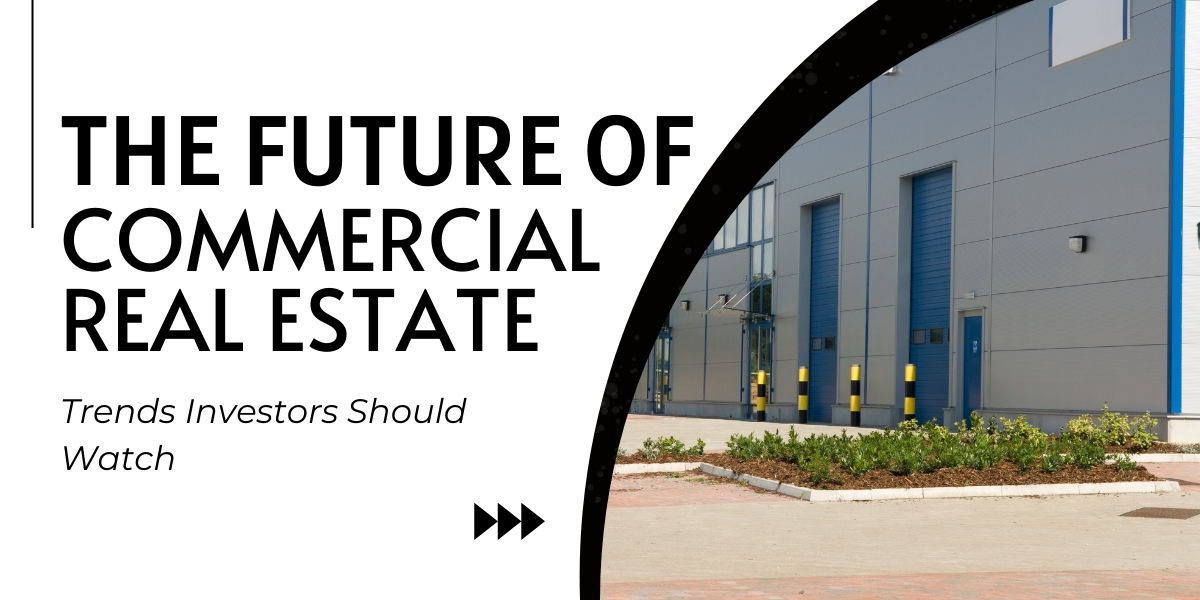
The commercial real estate market is constantly evolving, shaped by economic shifts, technology, and changing consumer behavior. For investors, staying ahead of these trends is essential for identifying profitable opportunities and minimizing risk.
As businesses adapt to new ways of operating and global markets continue to transform, several key trends are expected to shape the future of commercial real estate. Understanding these developments can help investors make smarter and more strategic property decisions.
-
The Rise of Flexible Workspaces
The traditional office environment is changing. Many companies now prefer flexible workspaces, coworking offices, and hybrid work models rather than long-term office leases.
Businesses are looking for spaces that allow them to scale up or down depending on their needs. This shift is creating opportunities for commercial properties designed with flexibility, shared amenities, and collaborative environments.
Investor Insight:
Office spaces that can easily adapt to flexible layouts and shared work environments will likely remain competitive in the evolving market.
-
Growth of E-Commerce and Logistics Spaces
The rapid expansion of e-commerce has significantly increased demand for warehouses, distribution centers, and logistics facilities. Businesses now need strategically located storage and fulfillment centers to deliver products quickly to customers.
Properties located near major highways, ports, and urban centers are becoming highly valuable due to their ability to support efficient logistics operations.
Investor Insight:
Industrial properties connected to supply chains and last-mile delivery networks are becoming some of the most sought-after real estate assets.
-
Mixed-Use Developments Are Gaining Popularity
Mixed-use developments combine retail, office, residential, and entertainment spaces in one location. These projects create vibrant communities where people can live, work, shop, and relax without traveling far.
As cities become more densely populated, mixed-use developments are becoming a preferred solution for urban planning and real estate investment.
Investor Insight:
Properties located in integrated communities tend to attract consistent foot traffic and diversified revenue streams.
-
Sustainability and Green Buildings
Sustainability is no longer just a trend—it is becoming a requirement. Businesses and tenants increasingly prefer energy-efficient, environmentally friendly buildings that reduce operating costs and environmental impact.
Green features such as energy-efficient lighting, smart climate control systems, and sustainable construction materials are becoming major selling points in commercial properties.
Investor Insight:
Sustainable buildings can command higher rents, attract quality tenants, and reduce long-term operating expenses.
-
Technology-Driven Smart Buildings
Technology is transforming how commercial properties are managed and used. Smart building systems allow owners to monitor energy use, security, occupancy, and maintenance in real time.
Features such as automated lighting, smart security systems, digital access controls, and building management software improve operational efficiency and tenant experience.
Investor Insight:
Commercial properties that incorporate modern technology will remain competitive and attractive to tech-driven businesses.
Another Blog to Read: How to Analyze a Commercial Real Estate Deal
- Demand for Urban and Last-Mile Locations
Speed and convenience are becoming critical factors in both retail and logistics. Businesses increasingly seek properties located close to major population centers to support faster delivery and easier access for customers.
This demand is fueling growth in last-mile delivery facilities, small urban warehouses, and strategically located retail hubs.
Investor Insight:
Properties located near major cities and transportation networks are expected to see sustained demand.
- Adaptive Reuse of Commercial Properties
Another emerging trend is the repurposing of older commercial buildings into new types of spaces. For example, unused office buildings can be converted into residential units, creative workspaces, or mixed-use developments.
Adaptive reuse allows investors to unlock new value from underutilized properties.
Investor Insight:
Investors who recognize redevelopment opportunities early may benefit from increased property value and market demand.
Final Thoughts
The future of commercial real estate will be driven by technology, sustainability, urban growth, and changing business needs. Investors who stay informed about these trends can position themselves to take advantage of emerging opportunities in the market.
While real estate cycles will continue to fluctuate, the key to long-term success lies in understanding market shifts and investing in properties that align with future demand.
Commercial real estate remains one of the most powerful investment tools for building long-term wealth—especially for those who are prepared to adapt to the future of the industry.
Thinking about investing in commercial real estate?
Stay informed, analyze emerging trends, and partner with experienced professionals to make confident investment decisions. 🏢📈
Thinking of leasing or investing in commercial property? Understanding tenant priorities is the first step to success.
Contact Richi Khanna today @647-997-1281 to learn how he can help you lease your warehouse quickly, profitably, and with complete peace of mind